You already know I love a good knitting notion, the right pair of needles, a well-made project bag, and a proper blocking setup, but there are even more tools that I reach for again and again. These aren’t always the first things new knitters buy, but they’re the ones that make a big difference in convenience, speed, or enjoyment once you’ve settled into your knitting routine.

If you’re looking to level up your toolkit or treat yourself to something new, here are some of my favorite knitting tools that go beyond the basics, plus links to my full lists of essentials for notions, needles, project bags, and blocking.
If you are a brand new knitter, check out the Knitting Starter Kit first.
Yarn Winding Tools: Why Hanks Need Winding First
If you work with hanks/skeins of yarn that have not been pre-wound into balls before purchase, you will want an efficient way to wind them into yarn cakes. The terms hank and skein are generally used interchangeably and refer to a big loop of yarn. This is typically how indie dyers dye yarn because it allows the dye to reach all of the strands. But if you try knitting from the loop, it will turn into a tangled mess. There are two options: the slow-mo method, and the quick method.
Slow-Mo Method
Turn a chair upside down, use the chair legs to hold your yarn hank, and wind a ball with your hands. This is perfectly acceptable for a while, but it’s a chore. When you’re ready to speed up this process move on to a yarn swift and ball winder (below).
Yarn Swift
Yarn swifts hold your yarn hank open to prevent tangling and spin as you wind it into a ball. You hook it onto the edge of a table or countertop.
Even if you want to wind your balls of yarn by hand, you will benefit from a swift that keeps the yarn untangled and turns as you wind.
I’ve had this Lacis yarn swift served me well for 11 years, and I had to replace it because some of the parts were loosing their grip.


Ball Winder
The ball winder does the hard work of making tidy cakes out of your un-wound skeins of yarn. I went entirely too long without one of these, and winding yarn became a significant portion of my knitting time. Don’t be like me. Get yourself a ball winder sooner rather than later.
I have the Jumbo Yarn Ball Winder from Fiber Artist Supply Co, and I’m hoping to upgrade to the electric version soon, but both of these are pricey.
I hear lots of professionals recommending the Stanwood one, and it’s the highest rated on Amazon.

A Digital Yarn Scale (For Using Every Last Gram)
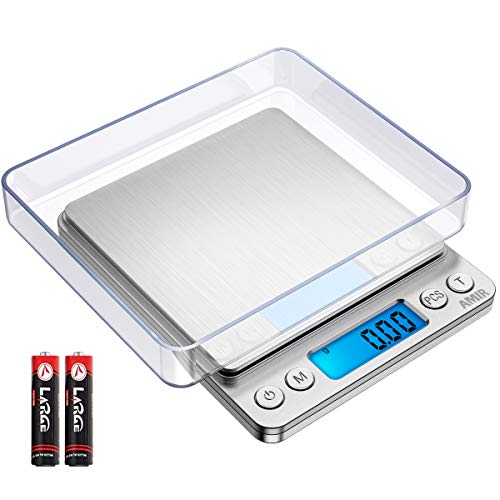
If you plan to use every bit of yarn you purchased, you’ll want a small, precise scale so that you know exactly how much you have left when you finish a project. Every gram counts.
Your yarn label will tell you the starting grams (often 100g) and yards or meters. When you finish a project and have yarn left, weigh it, and record it. I like to do this in Ravelry. Ravelry will do the yardage math for you, but if you’re doing it on your own, calculate the yards per gram from your label and multiply it by the remaining grams. That’s how many yards you have left.
I’ve been using this scale for 5 years and counting.
My Digital Pattern Setup: iPad, Apple Pencil, and Screen Protector
Hear me out… This could be a life saver for knitting projects, and you’ll probably use it for other stuff, too.
Most knitting patterns these days are PDFs. You’ll likely want to highlight your size on the page and make notes. The iPad allows you to do that without printing out and storing paper.
And when you make digital notes in a file on your iPad, you can also see those notes on your iPhone, laptop, etc.! I pull up patterns on my phone all the time to see at a glance the notes I made using my iPad.
I markup my PDF patterns in the native Preview editor. This is what opens in iOS when you open a PDF file in the Files app. I highlight the numbers and instructions for my size, and I check off sections I’ve completed. I also write myself notes if I need to remember something later, including needle sizes, math for alterations, and more.
Some knitters like to use specialty apps for their knitting patterns, but I have come back to plain old writing time and time again – I just upgraded it by putting it in the cloud.
Apple iPad Mini
iPad Mini easily fits in a project bag – the ultimate knitting companion.
Note: My iPad mini became my daughter’s car movie player for long trips, so I use my iPad Air for patterns most of the time. Use whichever one you like best – the only real difference is the size. Heck, even the regular iPad works with the Apple Pencil now, and in this economy…

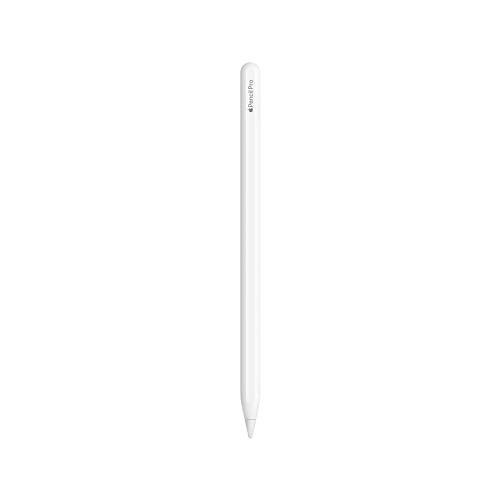
Apple Pencil Pro
Wonderful for highlighting patterns and writing notes. If you’re a budding designer, it’s great for sketching, too.
Paper Feel Screen Protector
I’ve tried using the Apple Pencil on a glass screen, and it is not for me. The writing feels more natural on a screen protector that has just enough friction to feel like paper.

Which Knitting Tool Should You Buy First?
In this economy, we have to be choosy about where we spend our money. Here’s the order in which I would prioritize these:
- Swift
(unless you always use yarns that come pre-wound) - Ball Winder
(unless you always use yarns that come pre-wound) - Yarn Scale
- Digital Tablet System
Frequently Asked Questions
Do I really need a yarn swift and a Ball Winder?
Need? No. Want? Yes, desperately, once you’ve hand-wound a 400+-yard hank by hand. You need the swift whether you are winding by hand or with a ball winder, so buy the swift first. But once you get the ball winder, you’ll wonder how you lived without it.
Can I use a ball Winder Without a Swift?
Yes, but it’s not nearly as efficient. Drape the hank over the back of a chair, your knees, or a VERY patient family member’s outstretched hands. (Remember the FRIENDS episode where Chandler held the yarn while Monica was knitting? Do not recommend. Definitely wind the yarn before you start knitting.) It’s slower, and you’ll have to stop to untangle more often, but it works.
Can I use a Swift Without a Ball Winder?
Yes! I did it for years. (But I’ll never go back.)
What kind of scale do I need for yarn?
A small digital scale that reads in 1 gram increments and can read as little as a gram at a time. A 0.1-gram scale is even better if you’re squeezing out every last inch. Kitchen scales work, but don’t do as well at the smaller weights, which is what you need when you’re trying to decide whether you have enough yarn for one more row.
How do I figure out how much yarn I have left?
Weight what’s left and divide that by the full skein’s weight from the label. Then multiply by the skein’s yardage. So 38 grams left of a 100-gram, 400 yard skein works out to about 152 yards.
38/100*400 =152 yards
P.S. You get brownie points if you weight the full skein ahead of time, because they can vary by a few grams. Use the printed information for yards per gram, but you might have gotten a little extra in your skein.
What’s the best app for marking up knitting patterns on an iPad.
I use the native PDF reader: Preview. It has everything I need for “old school”-style paper patterns: highlighters in any color and pens/pencils/markers in any color. That’s really all I use.
But many knitters prefer other dedicated knitting apps, so definitely explore!
What knitting tools does a beginner actually need?
Far less than this list – and much more basic! Start with the basics in my Knitting Starter Kit post, and come back here once you’ve caught the knitting bug.
More Knitting Tool Guides
Knitting doesn’t require a lot to get started, but the right tools can make your time with yarn even more enjoyable. Whether you’re winding skeins, measuring yardage, or keeping track of projects, these extras have earned their place in my knitting life.
Looking for more essentials? Don’t miss these companion posts: